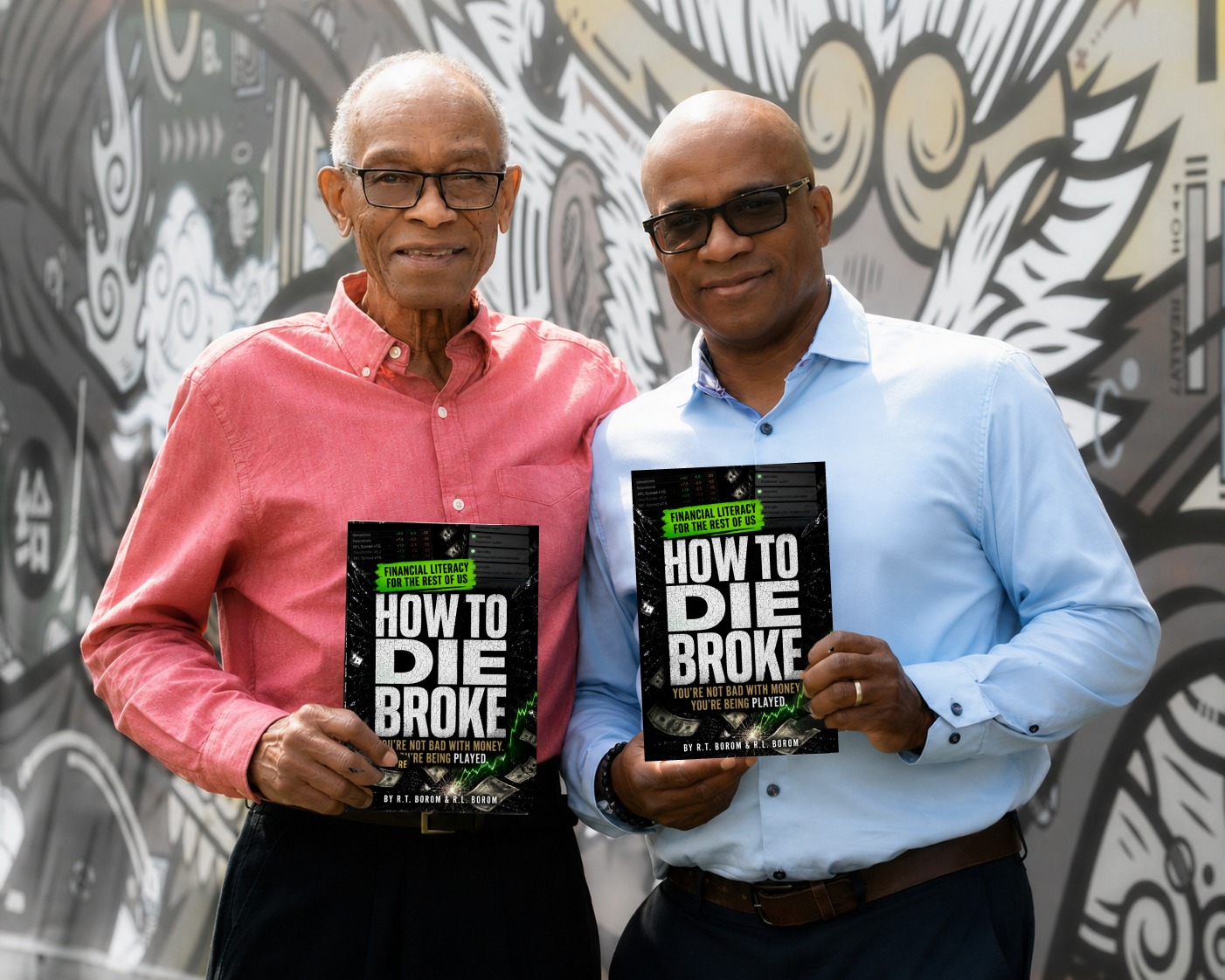
My father is 93 years old. He still manages his own investment portfolio. He plays bridge. He reads. He is sharper than most people I know who are 40 years younger than him.
He did not inherit money. He did not have a wealthy mentor. He did not stumble onto a hot stock or ride a crypto wave or get in early on anything you've heard of. He built wealth the way most people are told is impossible — slowly, consistently, starting with almost nothing.
He sat down with my mother and reviewed every expense they had. A family of five. A tight budget. They found $30 a month they could put toward the future without breaking the present. And they started.
"That's the whole origin story. No dramatic moment. No windfall. Thirty dollars a month. A decision. Consistency."
He made mistakes along the way. He had a financial advisor for a stretch who put him in conservative allocations that looked safe on paper and quietly underperformed year after year. He didn't know what he didn't know — yet. Then he got educated. He started reading. He started asking hard questions. He realized what those "safe" investments were actually costing him over time. He took control. He never looked back.
Now here's the part that matters most to me: he didn't do this for himself alone. He did it so his children would understand how money actually works. So the lesson would transfer. So we wouldn't have to start from zero in a system designed to keep us there.
That's generational wealth. Not a number in an account. A mindset. A practice. A set of decisions made over decades that compound — exactly like the money does.
The financial world sells urgency. Hustle. Get rich fast. The implication is always that if you haven't already started, you're behind, it's too late, you missed it. My father started at 30 with $30 a month and built something real over 60 years.
After losing his wife of 50 years, R.L. Borom sat with his portfolio and started asking questions he'd never asked before. The returns didn't match what he was reading in Kiplinger's. They didn't match what he was watching on television. So he made a decision: he dropped his financial advisor.
His only income was Social Security and a retirement check. He started with mutual funds. Then he started tracking trends — reading, watching, studying. He conferred with his sons. He trusted his instincts. He stayed patient through the ups and downs.
In the decade that followed, he more than tripled his net worth. He is 93 years old. He still manages his own portfolio.
That's not a financial story. That's a story about what's possible when you decide to pay attention.
Most people think it's too late to start at 40. R.L. Borom started over at 83.
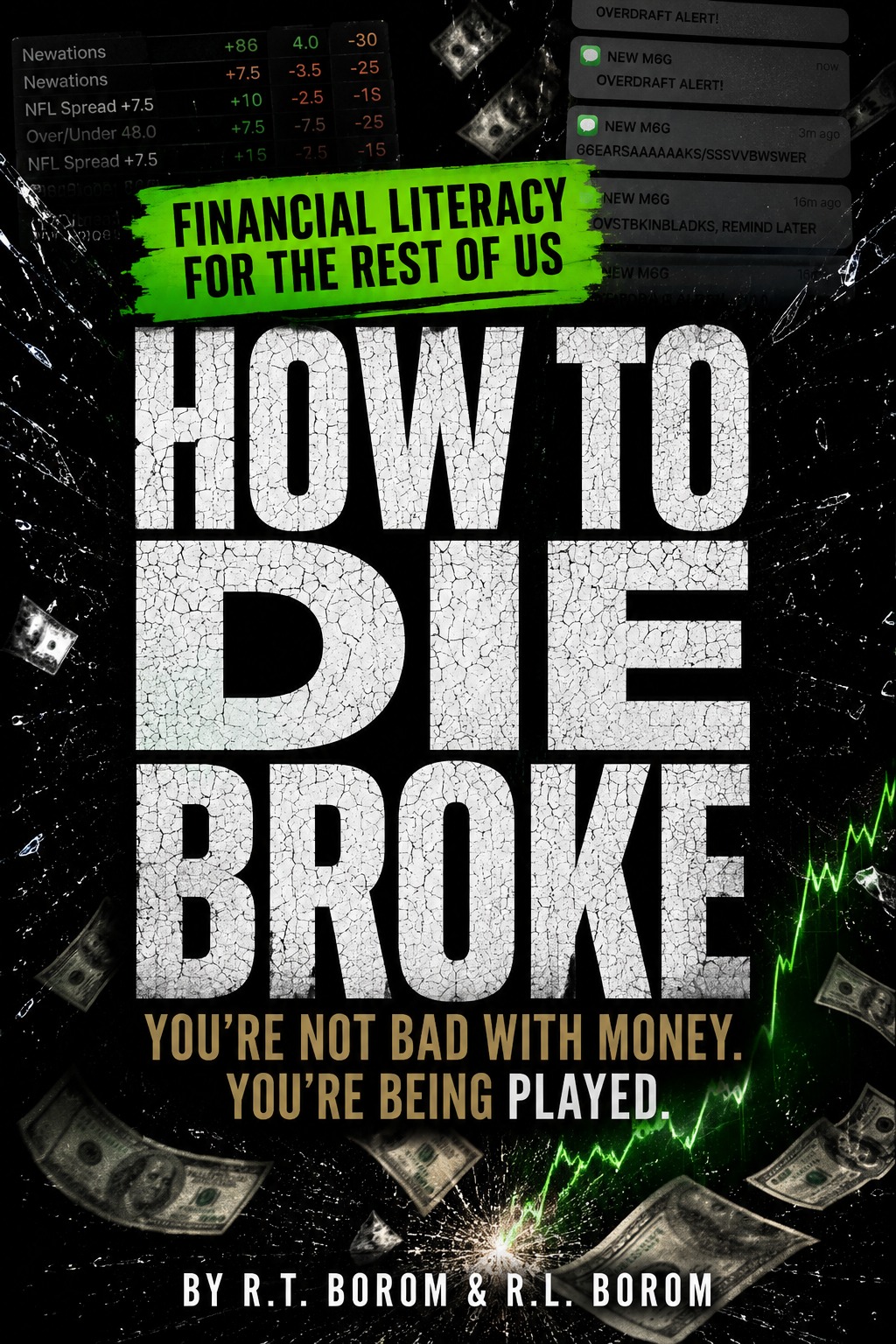
And everything he did in that decade — the discipline, the strategy, the steady hand through market volatility — is exactly what How to Die Broke: The Stuff They Don't Want You to Know teaches. Book Two isn't theory. It's the playbook he used.
"Most people think it's too late to start at 40. R.L. Borom started over at 83 — and more than tripled his net worth in the decade that followed."
You have time. More than you think. The only move that guarantees failure is the one you keep not making.
Start small. Start now.
How to Die Broke — co-authored by R.L. Borom, 93-year-old Air Force veteran and self-made investor, and his son R.T. Borom.