Nobody teaches this in school, so let's fix that right now: you don't need $1,000. You don't need $500. You don't even need $50. You need $5 and a decision to stop waiting.
Where the $5 Rule Comes From
Index funds and brokerage apps have quietly removed every excuse that used to be true. Minimum investment requirements that once locked out beginners are mostly gone. Fractional shares mean $5 can buy you a literal slice of the entire stock market instead of nothing.
The $5 Rule is simple: pick an amount you won't miss — even $5 a week — and automate it into a low-cost index fund. Not because $5 will make you rich by itself, but because it builds the one thing that actually compounds: the habit.
"You are not bad with money. You're being played into thinking you need more of it before you're allowed to start."
What $5 a Week Actually Turns Into
Let's do the math nobody shows you. Assume a historical average index fund return of about 7% annually, adjusted for inflation.
| Time Invested | Total Contributed | Estimated Value |
|---|---|---|
| 5 years | $1,300 | ~$1,560 |
| 10 years | $2,600 | ~$3,730 |
| 20 years | $5,200 | ~$11,470 |
| 30 years | $7,800 | ~$26,570 |
That's from $5 a week. Now imagine what happens when your income grows and that number becomes $20, $50, or $100 — because the habit was already built when the stakes were low.
Why Starting Small Beats Waiting for "Enough"
The real cost of waiting isn't the money you don't have today — it's the years of compounding you can never get back. Someone who invests $5 a week starting at 20 will out-earn someone investing $50 a week starting at 35, just because time did the heavy lifting.
This is the whole foundation behind buy-and-hold investing: consistency beats intensity. You don't need to time the market or pick winning stocks. You need a boring, automatic habit that runs in the background of your life.
No More Excuses
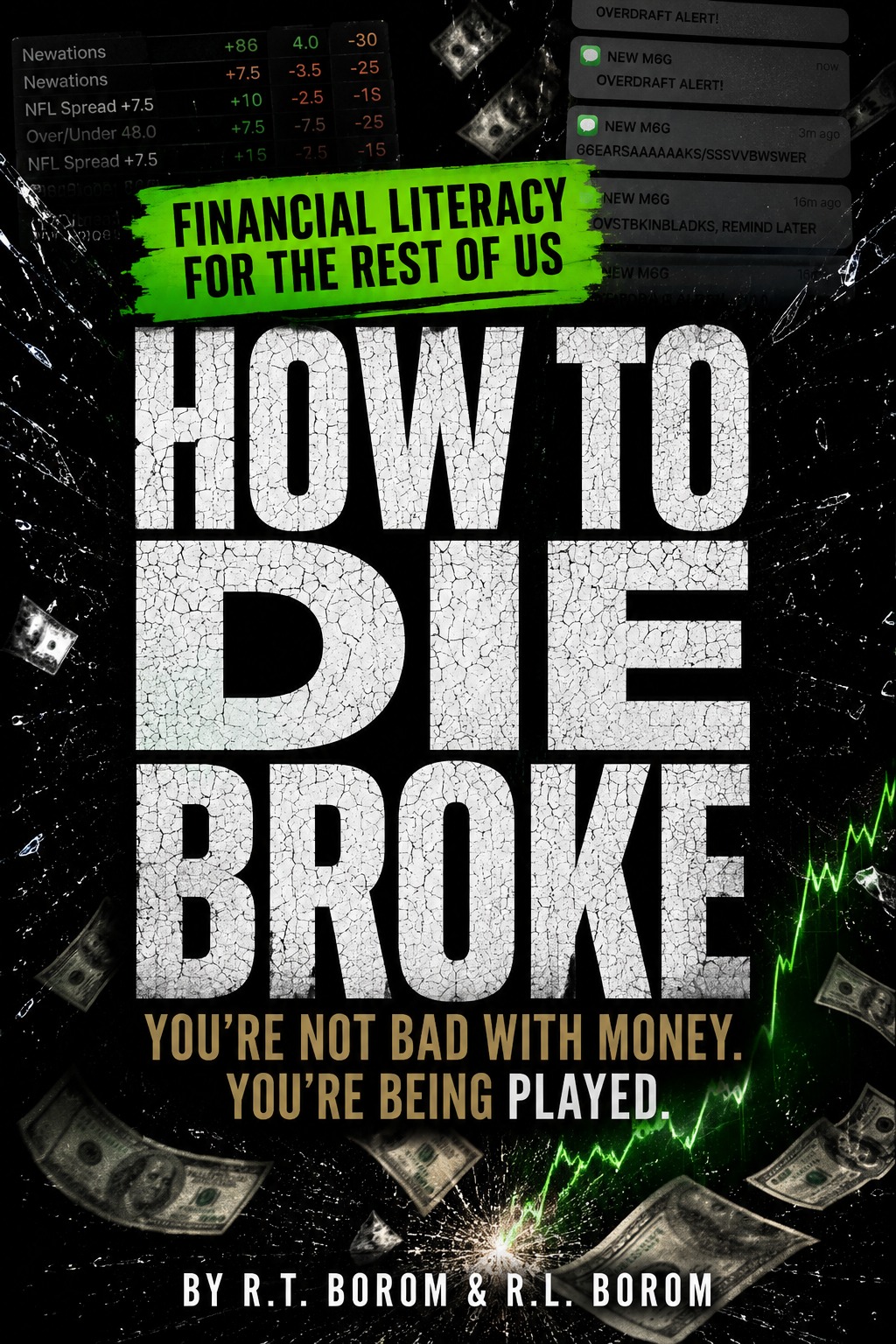
Here's the move: set up a $5 auto-deposit from every paycheck straight into an index fund — small enough you'll never even notice it's gone. How to Die Broke breaks down exactly how to get started, and how the "own what you consume" mindset works — starting from zero.